
About the Project
Advancing hybrid manufacturing through surface engineering, artificial intelligence and cross-border collaboration.
INTRODUCING SURFAV
Project Overview
Project launch
Research and technology development
Mid-project technical workshop
Industrial validation and demonstrators
Final results and project closure
SURFAV is a cross-border research and innovation project funded by the Interreg POCTEFA programme. Bringing together universities, research centres and industrial organisations from Spain and France, the project aims to advance hybrid manufacturing through surface engineering, artificial intelligence and industrial collaboration.
Over three years, the consortium will develop, validate and promote innovative manufacturing solutions with tangible impact for industry across the POCTEFA territory.

Duration:
3 years

Total funding:
€1.47M budget

ERDF co-funding:
€956,879

Territory:
Spain & France (POCTEFA Area)
PROJECT GOALS
OBJECTIVES
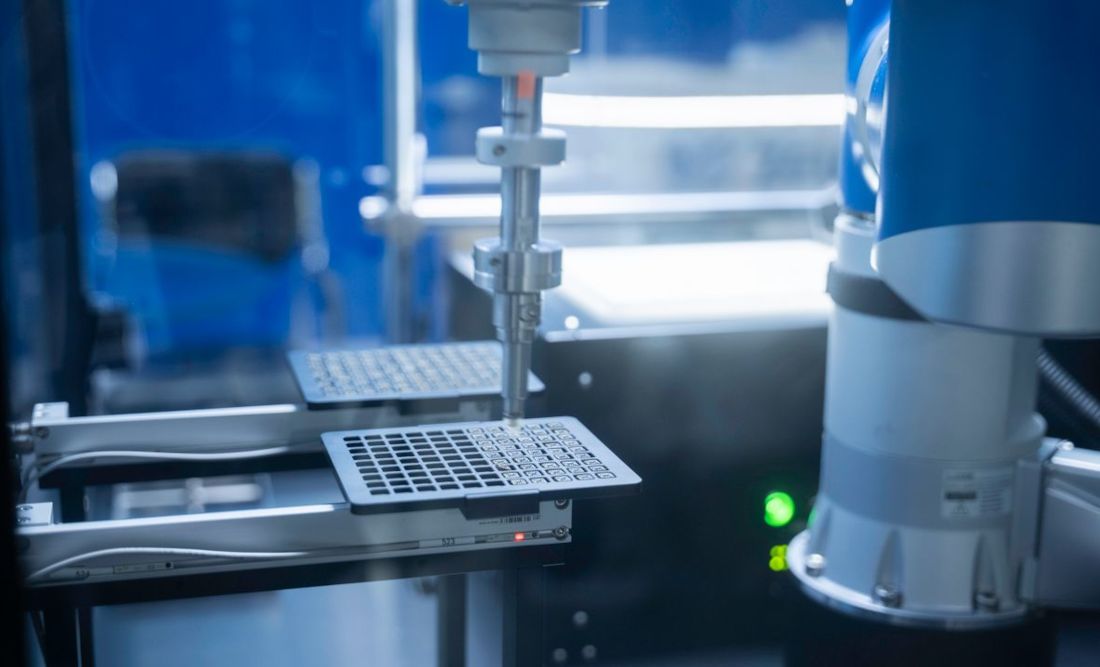
01 Advanced Manufacturing
SURFAV develops innovative hybrid manufacturing approaches that combine additive and subtractive technologies. The project aims to improve production efficiency, component quality and process flexibility for high-value industrial applications.
02 Surface Engineering
Advanced surface treatments and optimisation strategies will be applied to enhance wear resistance, corrosion protection and overall component performance. Surface engineering is a key element in extending product lifetime and improving reliability.
03 AI & Predictive Models
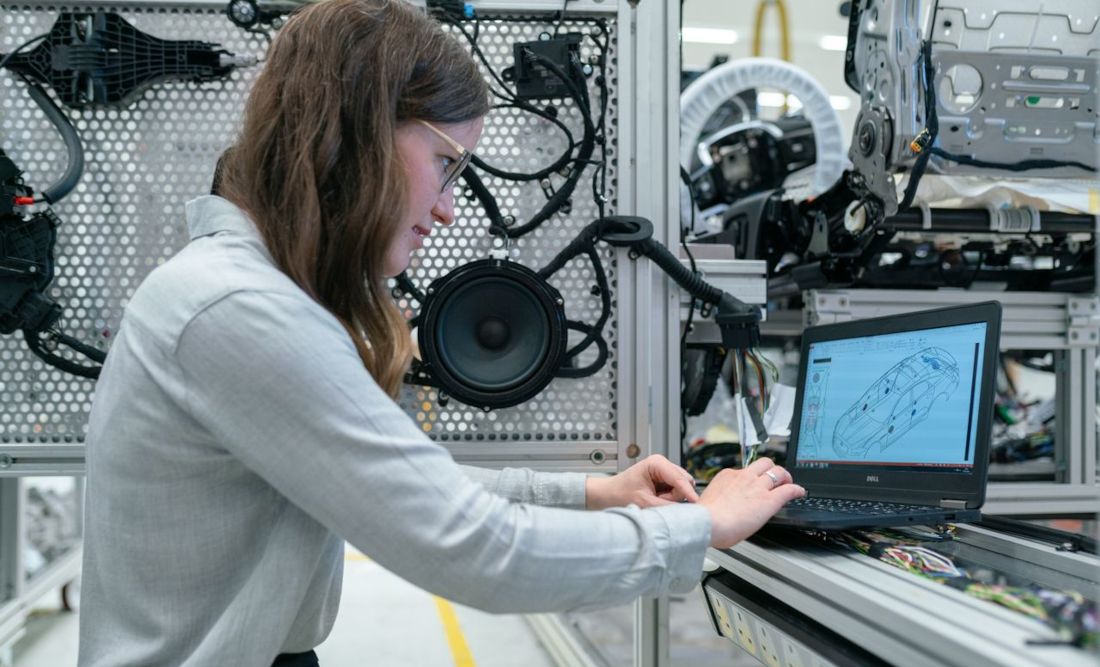
Artificial intelligence and numerical simulation tools will be integrated into manufacturing processes to predict performance, optimise parameters and support data-driven industrial decision-making.
SURFACE ENGINEERING · HYBRID MANUFACTURING · ARTIFICIAL INTELLIGENCE · PREDICTIVE MODELS · INDUSTRIAL INNOVATION · CROSS-BORDER RESEARCH
HOW SURFAV IS ORGANISED
WORK PACKAGES
WP1, Project management
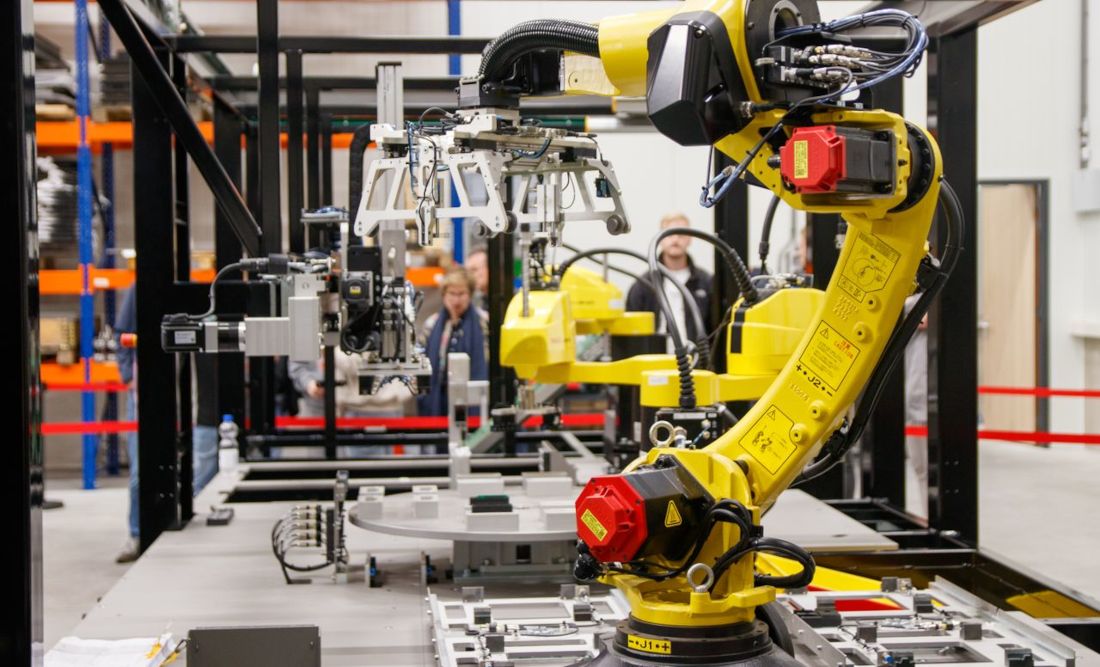
SURFAV’s management activities ensure effective coordination, monitoring and implementation throughout the project. This includes administrative, financial and technical follow-up, internal coordination between partners, reporting, deliverables, indicators and compliance with POCTEFA requirements.
WP2, Communication
Communication plays a key role in giving visibility to SURFAV, its activities and its results among the project’s target audiences. Activities include the project website, communication materials, newsletters, press releases, events, visual content and the fulfilment of all communication obligations established by the POCTEFA programme.
WP3, Hybrid manufacturing process
This area focuses on the development and validation of hybrid manufacturing methods that combine additive and subtractive technologies. It includes the integration of processes such as arc-DED, MEX, PBF, machining and grinding, as well as the production of multimaterial test samples to assess the feasibility of hybrid manufacturing strategies.
WP4, Surface treatments and characterisation
The project will work on the improvement and functionalisation of surfaces produced through additive and hybrid manufacturing. Activities include the application of advanced coatings, thermal and mechanical treatments, and the characterisation of mechanical, chemical, microstructural and tribological properties.
WP5, Predictive models for surface condition
Predictive modelling will support better process control and help anticipate defects in hybrid manufacturing. By combining numerical methods, artificial intelligence and experimental data, this work package will contribute to optimising parameters, predicting surface quality and supporting more efficient and reliable manufacturing processes.
WP6, Validation and demonstration of solutions
The technologies developed in SURFAV will be validated through industrial demonstrators. This final work package focuses on optimised gears, hybrid multimaterial moulds and aerospace applications, assessing their technical performance, industrial feasibility and environmental impact.
PROJECT IMPACT
EXPECTED RESULTS
SURFAV will generate practical tools, methodologies and demonstrators to support the adoption of hybrid manufacturing technologies and transfer advanced research outcomes to industrial applications.
01 Functional demonstrators
Validation of hybrid manufacturing solutions through demonstrators for optimised gears, multimaterial moulds and aerospace applications.
03 Improved surface performance
Application and characterisation of advanced coatings, treatments and surface engineering strategies to enhance durability and functionality.
02 Predictive models
Development of numerical and artificial intelligence-based models to optimise process parameters, anticipate defects and improve surface quality.
04 Industrial and environmental impact
Support for more competitive and sustainable manufacturing processes, with a focus on material efficiency, reduced waste and lower environmental impact.