
Sobre el proyecto
Impulsando la fabricación híbrida mediante ingeniería de superficies, inteligencia artificial y colaboración transfronteriza.
CONOCE SURFAV
RESUMEN DEL PROYECTO
Lanzamiento del proyecto
Investigación y desarrollo tecnológico
Taller técnico intermedio
Validación industrial y demostradores
Resultados finales y cierre del proyecto
SURFAV es un proyecto transfronterizo de investigación e innovación financiado por el programa Interreg POCTEFA. El proyecto reúne a universidades, centros de investigación y organizaciones industriales de España y Francia con el objetivo de avanzar en la fabricación híbrida mediante la ingeniería de superficies, la inteligencia artificial y la colaboración industrial.
Durante tres años, el consorcio desarrollará, validará y transferirá soluciones innovadoras de fabricación con un impacto tangible para la industria en el territorio POCTEFA.

Duración:
3 años

Presupuesto total:
1,47 M€

Cofinanciación FEDER:
956.879 €

Territorio:
España y Francia
OBJETIVOS DEL PROYECTO
OBJETIVOS
01 FABRICACIÓN AVANZADA
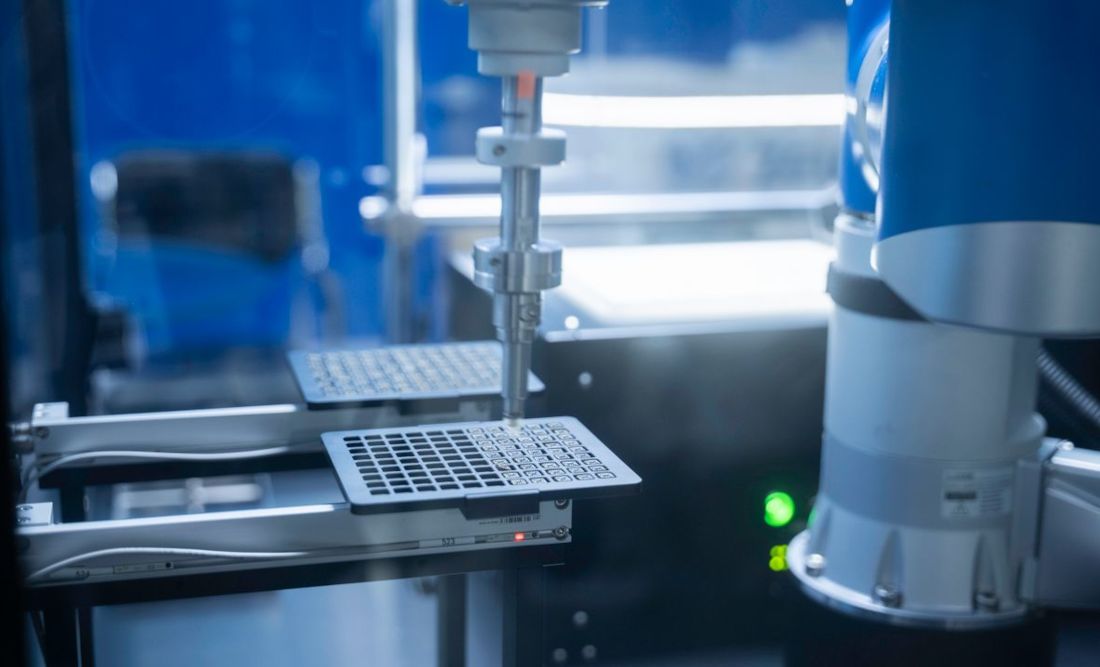
SURFAV desarrolla enfoques innovadores de fabricación híbrida que combinan tecnologías aditivas y sustractivas. El proyecto tiene como objetivo mejorar la eficiencia de la producción, la calidad de los componentes y los procesos de fabricación para aplicaciones industriales de alto valor añadido.
02 INGENIERÍA DE SUPERFICIES
Se aplicarán tratamientos superficiales avanzados y estrategias de optimización para mejorar la resistencia al desgaste, la protección frente a la corrosión y el rendimiento general de los componentes. La ingeniería de superficies es un elemento clave para mejorar el rendimiento y prolongar la vida útil de los productos.
03 IA Y MODELOS PREDICTIVOS
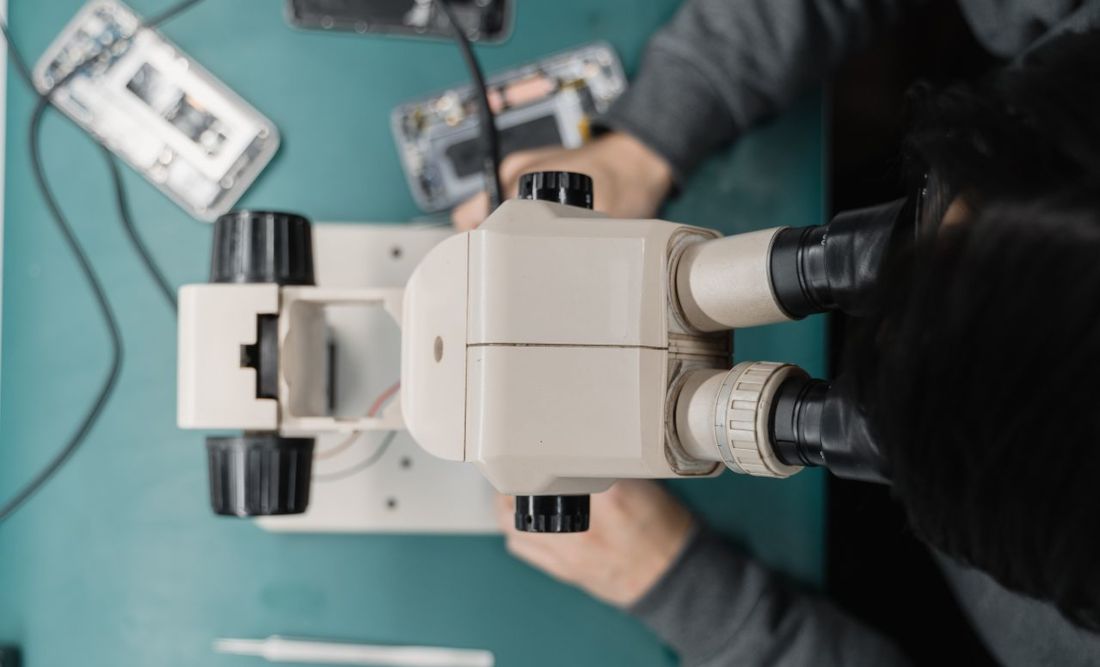
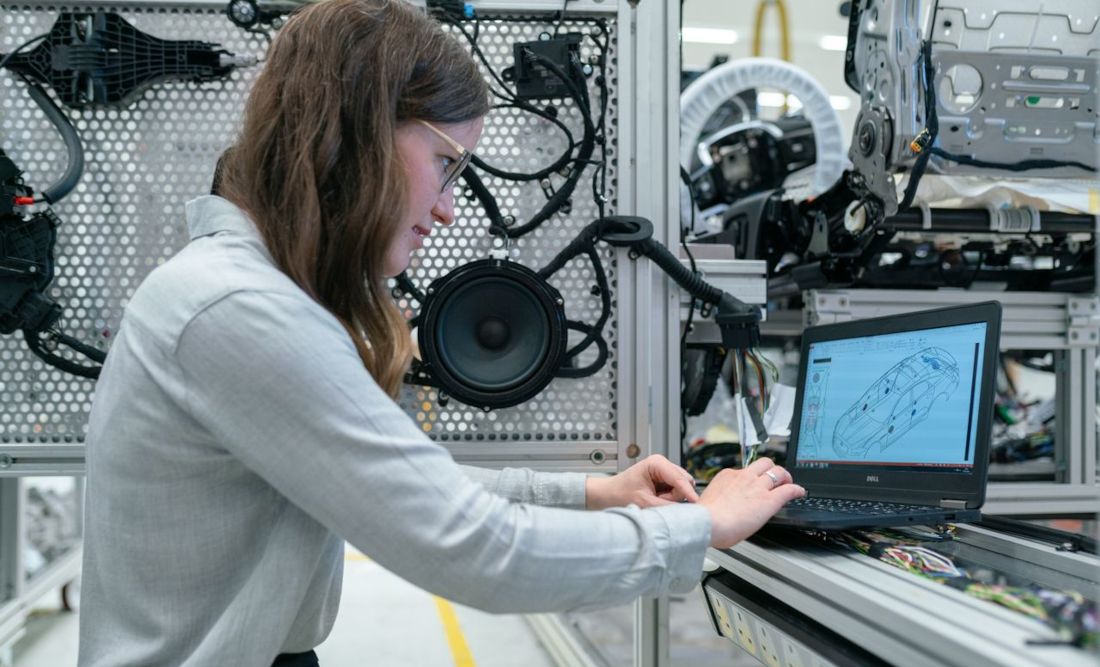
Se integrarán modelos basados en inteligencia artificial y simulación numérica en los procesos de fabricación para predecir el rendimiento, optimizar parámetros y apoyar la toma de decisiones industriales.
INGENIERÍA DE SUPERFICIES · FABRICACIÓN HÍBRIDA · INTELIGENCIA ARTIFICIAL · MODELOS PREDICTIVOS · INNOVACIÓN INDUSTRIAL · INVESTIGACIÓN TRANSFRONTERIZA
CÓMO SE ORGANIZA SURFAV
PAQUETES DE TRABAJO
WP1. Gestión del proyecto
Las actividades de gestión de SURFAV garantizan una coordinación, seguimiento y ejecución eficaces a lo largo de todo el proyecto. Incluyen el seguimiento administrativo, financiero y técnico, la coordinación interna entre los socios, la elaboración de informes, la gestión de entregables e indicadores y el cumplimiento de los requisitos de POCTEFA.
WP2. Comunicación
La comunicación desempeña un papel clave para dar visibilidad a SURFAV, sus actividades y sus resultados entre los públicos objetivo del proyecto. Las acciones incluyen la web del proyecto, materiales de comunicación, newsletters, notas de prensa, eventos, contenidos visuales y el cumplimiento de todas las obligaciones de comunicación establecidas por el programa POCTEFA.
WP3. Hibridación del proceso de fabricación
Este ámbito se centra en el desarrollo y la validación de métodos de fabricación híbrida que combinan tecnologías aditivas y sustractivas. Incluye la integración de procesos como arc-DED, MEX, PBF, mecanizado y rectificado, así como la fabricación de probetas multimaterial para evaluar la viabilidad de las estrategias de fabricación híbrida.
WP4. Tratamientos y caracterización de superficies
El proyecto trabajará en la mejora y funcionalización de superficies obtenidas mediante fabricación aditiva e híbrida. Las actividades incluyen la aplicación de recubrimientos avanzados, tratamientos térmicos y mecánicos, y la caracterización de propiedades mecánicas, químicas, microestructurales y tribológicas.
WP5. Modelos predictivos del estado superficial
El modelado predictivo permitirá mejorar el control de los procesos y anticipar posibles defectos en la fabricación híbrida. Mediante la combinación de métodos numéricos, inteligencia artificial y datos experimentales, este paquete de trabajo contribuirá a optimizar parámetros, predecir la calidad superficial y favorecer procesos de fabricación más eficientes y fiables.
WP6. Validación y demostración de soluciones
Las tecnologías desarrolladas en SURFAV se validarán mediante demostradores industriales. Este último paquete de trabajo se centra en engranajes optimizados, moldes híbridos multimaterial y aplicaciones aeroespaciales, evaluando su rendimiento técnico, su viabilidad industrial y su impacto ambiental.
IMPACTO DEL PROYECTO
RESULTADOS ESPERADOS
SURFAV generará herramientas prácticas, metodologías y demostradores para favorecer la adopción de tecnologías de fabricación híbrida y transferir los resultados avanzados de la investigación a aplicaciones industriales.
01 DEMOSTRADORES FUNCIONALES
Validación de soluciones de fabricación híbrida mediante demostradores de engranajes optimizados, moldes multimaterial y aplicaciones aeroespaciales.
03 MEJORA DEL RENDIMIENTO SUPERFICIAL
Aplicación y caracterización de recubrimientos, tratamientos e ingeniería de superficies avanzados para mejorar la durabilidad y la funcionalidad.
02 MODELOS PREDICTIVOS
Desarrollo de modelos numéricos y basados en inteligencia artificial para optimizar los parámetros de los procesos, anticipar defectos y mejorar la calidad superficial.
04 IMPACTO INDUSTRIAL Y MEDIOAMBIENTAL
Apoyo a una fabricación más competitiva y sostenible, con especial atención a la eficiencia de los materiales, la reducción de residuos y un menor impacto ambiental.